During high-temperature smelting processes, molten metals rapidly react with oxygen inside the furnace, leading to oxidation.
This can result in:
Slower melting performance
Higher energy consumption
Reduced metal purity
Surface defects, porosity, and cracking
Carbon plays a critical role by reacting with oxygen before it reaches the molten metal surface.
As a result:
Oxidation is significantly reduced
Smelting becomes smoother and more efficient
Higher-purity metal can be achieved
Energy consumption decreases
Overall furnace performance improves
In simple terms, carbon helps metals melt more efficiently while protecting melt quality during thermal processing.
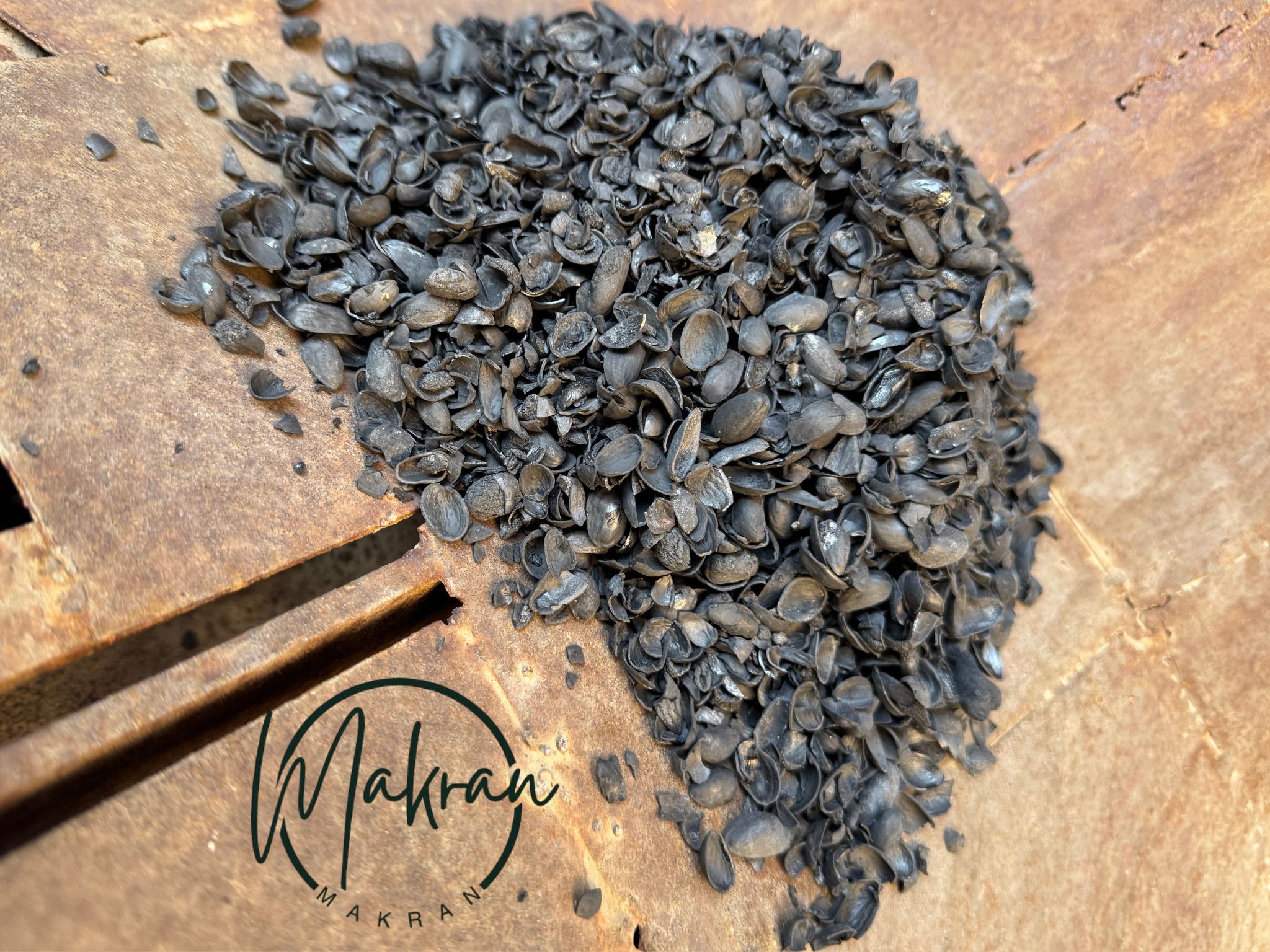
Carbon derived from pistachio shells can serve as an alternative carbon source for selected metallurgical and thermal applications.